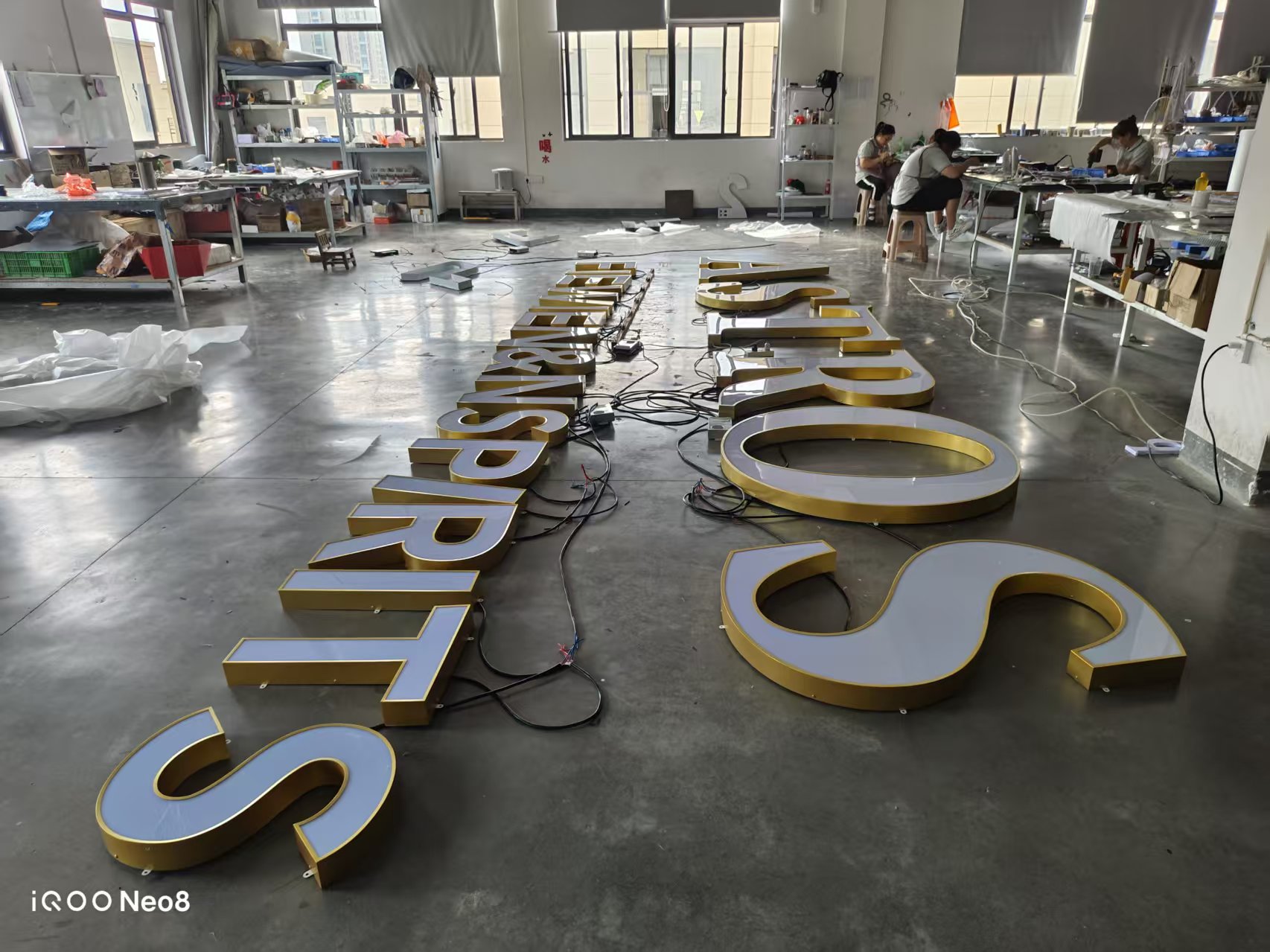
For a larger commercial sign, agree how the finished design relates to the components that will be delivered. Identify any proposed divisions, visible interfaces and local assembly work before approving the order. A complete front elevation does not explain how separate parts will be packed, received or brought together at the building.
Discuss divisions before freezing the appearance
Ask whether the design is being reviewed as one assembly or several identified components. Show where a proposed division sits in relation to lettering, graphics and visible edges. A manufacturing or delivery proposal that changes the visible arrangement should be reflected in the approval drawing, not hidden in a packing note.
The local project team should explain the site access and handling constraints they have identified. This article does not provide a lifting plan or structural approval. Use the outdoor handover guide to record who reviews those project-specific matters.
Give every component a relationship to the design
Use item and assembly references that make sense to the receiving team. If two parts look similar, explain their different positions or orientation in the supplied documentation. Keep those references consistent with the artwork issue and the quotation.
| Document | Relationship to define |
|---|---|
| Overall layout | Position of each identified component |
| Component drawing | Relevant dimensions and orientation |
| Quotation | Supplied components and supporting parts |
| Packing information | Which package contains which item |
| Local handover | Remaining assembly and installation work |
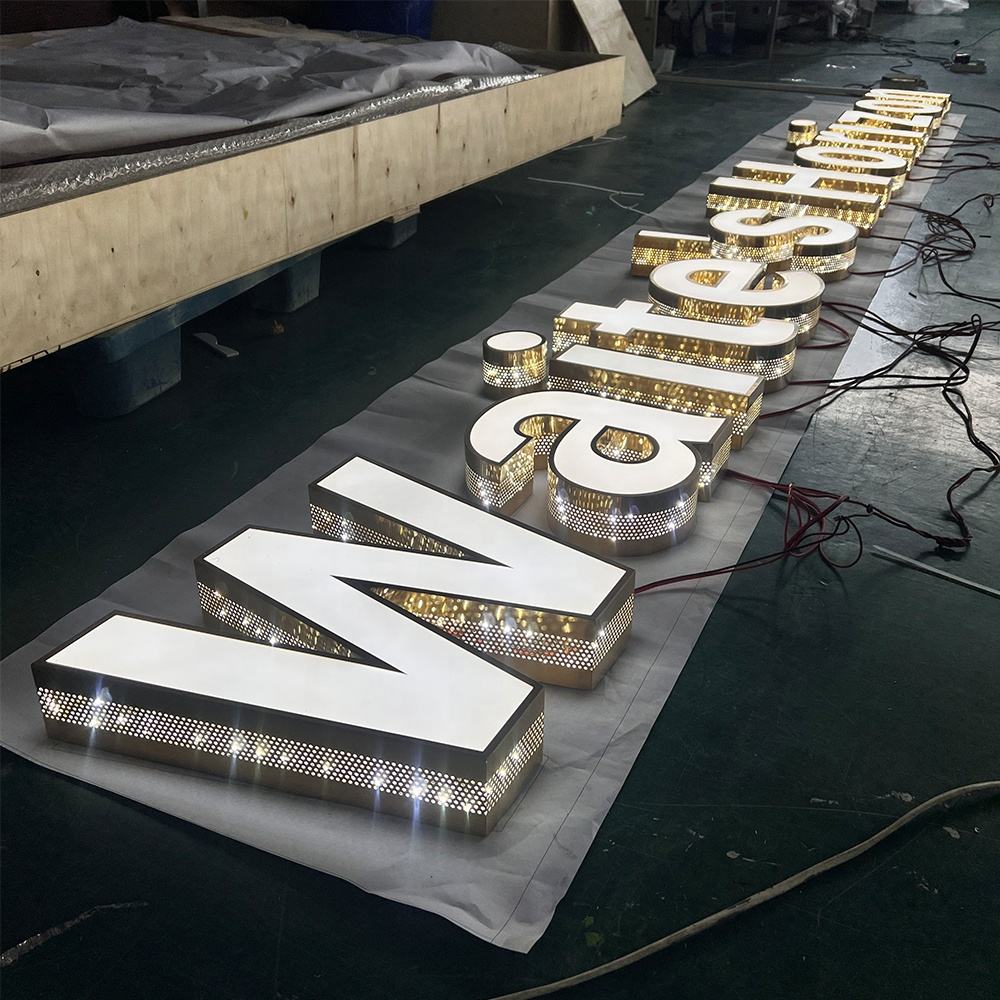
A trial arrangement or manufacturing photograph can assist review, but record what it demonstrates. It should not be described as proof of suitability for a building interface that has not been assessed.
Make local assembly scope visible
Ask which connections or interfaces are supplied and which work is expected on site. Review access to those locations with the responsible contractor. Record finish protection, identification and any assembly sequence information that the actual project team requires; do not infer a safe procedure from a general product image.
| Offer item | Confirmation needed |
|---|---|
| Main components | Count, identity and drawing issue |
| Connecting parts | Included items and reviewed interface |
| Packing | Component grouping and identification |
| Documentation | Information supplied for the local team |
| Site work | Responsible party and remaining review |
Carrier packaging guidance is background rather than a complete design for oversized assemblies. The order needs an actual agreed packing and transport plan. For multiple destinations, connect it to the split-delivery matrix.
Should shipping convenience decide the divisions?
It is one consideration, but appearance, construction, receiving and local work also matter. Ask for alternatives to identify their consequences rather than comparing only freight totals. A smaller package does not automatically create a simpler or lower-cost installed project.
What is useful in the enquiry?
Send the layout, approximate component sizes, quantity, destination and the local access information available. Mark proposed divisions and open interface questions. Review the outdoor business sign range, keep the quotation scope review with it and request a coordinated offer for the actual project.
References & further reading
External manufacturer or carrier guidance supports the terminology and general considerations discussed here. Their product specifications and policies are specific to their own services.
Prepared as a purchasing discussion aid. Confirm the specification, installation responsibilities and applicable requirements for your project.