
A useful storefront sign quotation describes the complete entrance and the individual signs to be supplied. Send a frontage photograph, dimensioned artwork and an item list. Identify the lettering, projecting sign, sign panel and any entrance details separately. This helps a manufacturer price the same scope that your project team expects to receive.
Begin with the frontage, not only the logo
Show a straight-on view and an approach view of the premises. Mark the available sign area and the position of doors, glazing, neighbouring signs and existing fixtures. These images explain the setting; they do not replace measurements or confirm the building's fixing capacity. Ask the responsible local contractor to identify the measurements and installation conditions they have checked.
Connect each image to an item reference. If a design file shows three possible layouts, name the one being quoted instead of sending the whole folder without a selection. The artwork preparation guide helps separate design information from appearance references.
List the actual sign elements
One word such as shopfront can hide several different deliverables. Describe the visible identity and the supporting parts as separate items. A quotation can then include, exclude or leave a question against each line rather than relying on a single total.
| Item | Information to supply | Scope to confirm |
|---|---|---|
| Main identity | Wording, logo, layout size and lighting intention | Lettering or panel construction |
| Projecting sign | Viewing directions and position | Cabinet, faces and supporting interface |
| Entrance details | Location and artwork for each element | Separate items and quantities |
| Supporting work | Site conditions and installer notes | Manufacturing versus local work |
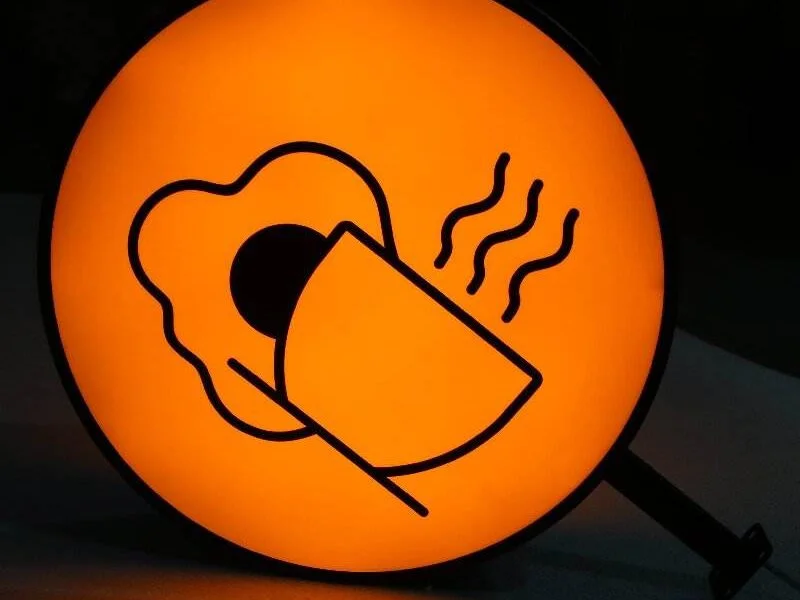
For a lit cabinet, review the custom lightbox range. Keep its quantity distinct from the number of letters in the main identity. If two stores share the same brand but different sign areas, use separate location references even when some artwork is repeated.
Compare offers on the same basis
Ask each supplier to reference the same drawings and list the parts included. Check the face, body, lighting, mounting components, packaging and delivery basis. Do not assume that a photograph of a finished sign establishes which hidden parts belong in the price. Highlight a difference in scope before comparing the totals.
| Quotation check | Question for the supplier |
|---|---|
| Artwork | Which design issue and dimensions were reviewed? |
| Installation | Which parts are supplied and which decisions remain local? |
| Delivery | What destination and receiving conditions were used? |
| Approval | Which drawing or sample needs approval before release? |
The business sign quote comparison provides a broader supplier review. Keep unresolved items visible. A blank shipping or installation line should not be interpreted as a confirmed zero cost.
What changes lighted business sign prices?
Lighted business sign prices need a defined scope. A set of illuminated letters, a complete lightbox and a replacement graphic face are different purchases, even when they display the same logo. Ask for each sign element to be priced separately, with its size, quantity, finish and included parts. This guide does not publish a dollar range because no verified like-for-like price dataset is available here.
| Price decision | Keep the comparison consistent |
|---|---|
| Sign type | Compare complete lettering sets with complete sets, and cabinets with cabinets |
| Dimensions and artwork | Use the same approved layout, letter heights and drawing revision |
| Light direction | Identify face illumination, a rear halo or an unlit design for each item |
| Supporting parts | Name the backing, mounting components and power components included |
| Quantity and destination | Separate repeated designs, different sizes and split deliveries |
| Local work | Identify installation, electrical work, approvals and import responsibilities separately |
If the first quote exceeds the project budget, ask for a clearly labelled alternative. For example, review a different sign size or an unlit option while keeping the wording, quantity and destination visible. The supplier and project team need to check the revised appearance and construction before it is accepted. A lower total is only useful when you understand what changed.
For an initial estimate, send a storefront sign brief with artwork, approximate dimensions, quantities and the delivery country. Mark an undecided measurement as provisional. For a cabinet-based design, compare the lightbox quotation checklist before accepting a face-only offer as a complete sign.
What if the opening date is already fixed?
State the requested arrival date and the work that must happen after delivery. Ask for feasibility review after the scope, artwork and approval steps are understood. A target opening date is not an agreed manufacturing or transit promise. Record the accepted schedule with the actual order rather than copying a timeline from an unrelated project.
What should I send first?
Start with the frontage, artwork, approximate sizes, sign list, quantities and destination. Mark dimensions or approvals that are still open. Use the storefront sign product page to choose the relevant elements, then request a project quotation with one clear version of the brief.
References & further reading
External manufacturer or carrier guidance supports the terminology and general considerations discussed here. Their product specifications and policies are specific to their own services.
Prepared as a purchasing discussion aid. Confirm the specification, installation responsibilities and applicable requirements for your project.