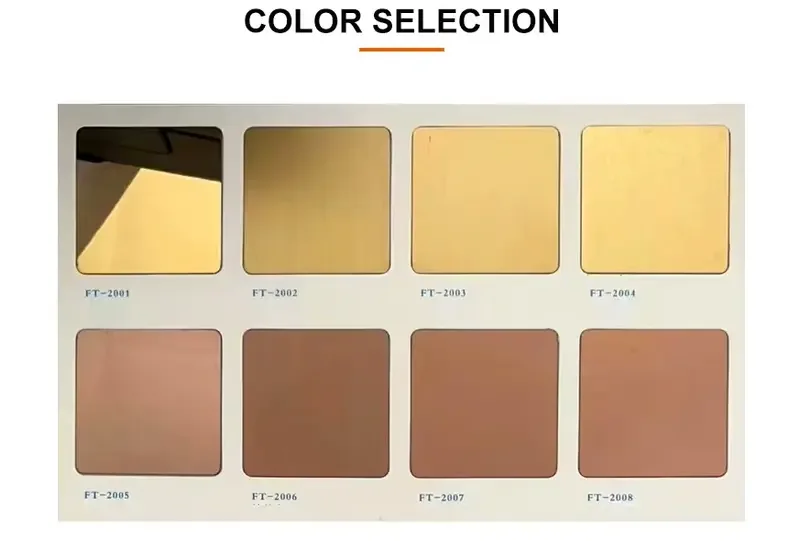
One brand colour can appear different on an unlit metal surface, a translucent face and an illuminated sign. Define what the project needs to match and under which conditions. Approve the actual material and finish references for each sign type instead of assuming one screen colour establishes every finished appearance.
Separate the brand reference from the supplied material
The brand file describes an intention. The quotation must identify how that intention will be represented on each product. Record the material, surface process and visible areas under review. A colour description alone does not establish whether the order uses painted metal, a coloured sheet or another construction.
Ask the client which differences matter most. A reception logo may be seen close up beside interior finishes, while a storefront sign is viewed from farther away under changing light. Keep both contexts in the approval package for commercial architectural signage.
Review lit and unlit appearance independently
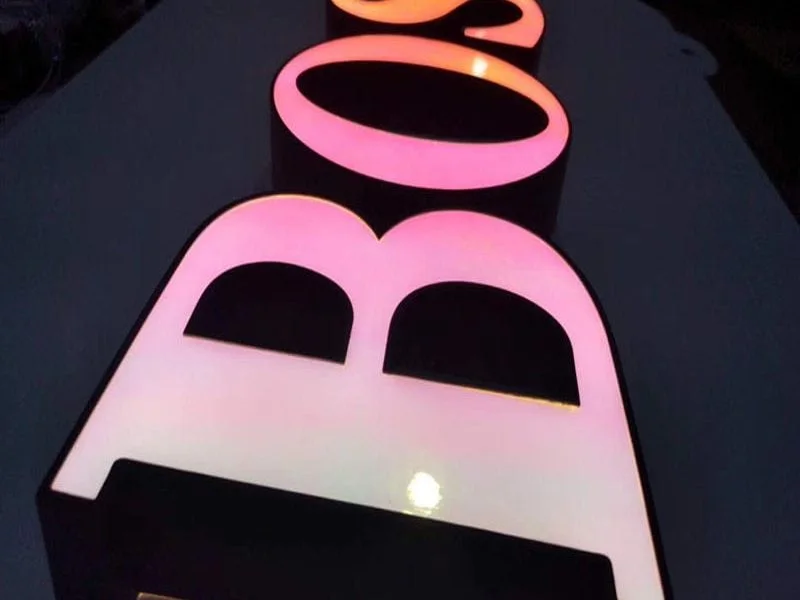
For illuminated products, identify the intended off-state face appearance and the lit effect. Do not approve one as a substitute for the other. A material supplier's colour chart is useful background, but the actual face, graphic and lighting arrangement still need to be identified for the order. Screens cannot serve as the only physical colour reference where appearance is critical.
| Product element | Reference to agree | Viewing context |
|---|---|---|
| Metal face | Material and finish sample | Room or daylight conditions |
| Visible returns | Side appearance and finish scope | Intended angle and distance |
| Translucent face | Actual proposed material or sample | Unlit appearance |
| Illuminated graphic | Agreed assembly review | Intended lit condition |
The lightbox range and illuminated lettering range involve different physical arrangements. Connect their samples to the correct product reference rather than treating them as interchangeable colour swatches.
Record what the approval establishes
Assign a reference to each approved sample and identify its date, material and relevant viewing conditions. State which products or batches it covers. If a sample is only intended to show a finish direction, do not describe it as approval of the complete sign, lighting or mounting.
| Approval record | Useful detail |
|---|---|
| Sample identity | Reference, material and surface process |
| Scope | Face, returns, graphic or complete reviewed assembly |
| Conditions | Lit state and relevant surroundings |
| Decision | Approved appearance and unresolved questions |
Use the sample review guide when coordinating several reviewers. Keep the manufacturer's proposed alternative clearly identified if the original material or process cannot be confirmed.
Can every sign look exactly the same?
Do not assume identical appearance across different materials and light conditions. Agree how the actual products will be judged and what differences need review. A statement such as match the logo should lead to a usable reference, not an unsupported promise that every surface will look identical in every setting.
What starts a brand appearance enquiry?
Send the brand reference, sign list, dimensions, quantities, intended environments and the sample review requirements. Include which items are illuminated. Request a coordinated sign offer that keeps appearance approval separate from the construction and delivery scope.
References & further reading
External manufacturer or carrier guidance supports the terminology and general considerations discussed here. Their product specifications and policies are specific to their own services.
Prepared as a purchasing discussion aid. Confirm the specification, installation responsibilities and applicable requirements for your project.