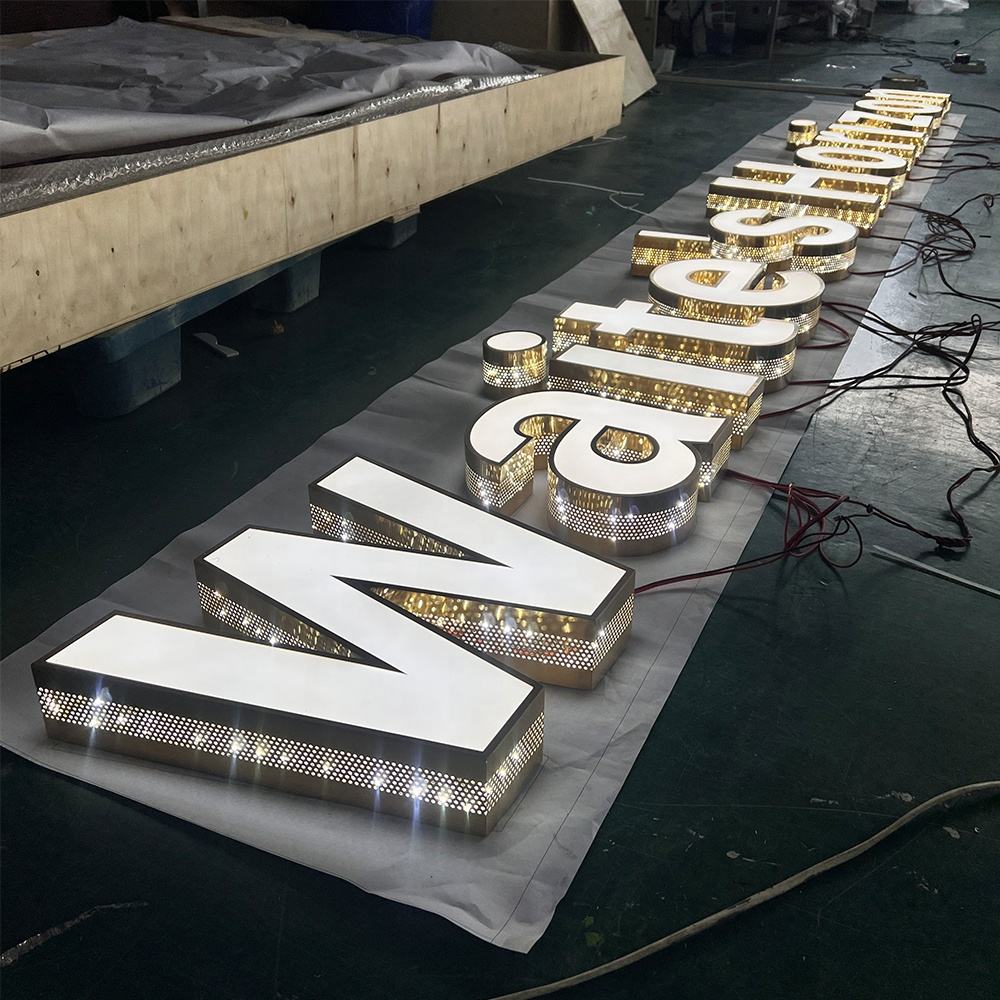
Delivery planning begins before a finished sign is packed. Custom lettering can contain separate visible components, mounting parts and project-specific accessories. The buyer needs a clear way to connect what arrives to the approved order. A packing discussion should therefore use the same item references as the sign schedule.
Ask how the order will be divided
Discuss whether a sign is expected to arrive assembled or in labelled components. Request a description of the proposed packing and how visible surfaces and separate parts will be protected. For a multi-site order, identify whether packages should be grouped by design, location or receiving sequence. The final arrangement depends on the order and transport plan.
Establish the packed measurements
Transport planning needs packed dimensions and weights, not only the dimensions of the visible sign. Ask when those figures can be confirmed and whether an early transport estimate is provisional. Carrier limits and charges depend on the selected service and route. Do not assume another supplier's parcel example applies to a large assembled sign.
Confirm the receiving situation
Give the delivery address, postcode and relevant access information. Ask the receiving team about available space, unloading arrangements and delivery restrictions. Clarify the agreed handover point and responsibilities. A price described simply as shipping included does not explain every part of the receiving operation.
Prepare a checkable component list
Ask how the packed items will be identified and what documentation will accompany them. Connect letters, logos and accessories to their item references, and keep the approved revision accessible to the receiving team. If a design is split into several packages, request a way to recognise the complete set.
Agree the reporting process
Before dispatch, establish who should be contacted if a package or component needs attention and what records are useful. At receipt, follow the carrier's and seller's agreed inspection and reporting procedures. Keep packaging and delivery records where required. This checklist supports planning; it does not replace the actual transport terms or create a damage-free delivery guarantee.
Information to connect before dispatch
Ask which documents will be supplied and when the figures can be confirmed. This example is a planning checklist, not a promise that every shipping service uses the same documentation or rules.
| Record | What it should identify |
|---|---|
| Order reference | Approved item schedule and drawing revision |
| Package reference | Which items or components are in each package |
| Component list | Letters, logos and agreed accessories by reference |
| Packed measurements | Dimensions and weight for the proposed shipment |
| Receiving contact | Agreed destination and relevant access restrictions |
| Handover scope | Transport, unloading and installation responsibilities |
| Reporting process | Contact and procedure for discrepancies or damage |
For repeated designs, keep the multi-location sign schedule beside the packing list. The quotation scope checklist helps identify what transport and packing work has actually been included.
Example: one order, two receiving locations
In an illustrative multi-site order, identical letter designs are split between two locations. If packages are labelled only with the design name, the receiving team may still need to establish the destination and whether the complete component set has arrived. Agree location references and package grouping before dispatch, and identify accessories against the same item references. Do not assume separate deliveries are included unless the transport scope says so.
Receiving and installation are separate checks
A package inventory can confirm that the expected pieces have arrived; it does not approve the mounting surface or installation method. Keep the receiving record with the local installer's information and the approved drawings. Discuss any discrepancy through the agreed reporting process before the affected item proceeds to installation.
Use the packaging and shipping overview for the quotation discussion. For large outdoor commercial signage, include component division, access and handling questions early, while the manufacturing scope can still be reviewed.
References & further reading
External manufacturer or carrier guidance supports the terminology and general considerations discussed here. Their product specifications and policies are specific to their own services.
Prepared as a purchasing discussion aid. Confirm the specification, installation responsibilities and applicable requirements for your project.