
A sign dimension is useful only when everyone knows what it measures and which unit it uses. Record the overall layout, relevant individual elements and the intended depth separately. Keep the unit visible on the drawing and in the quotation. A number copied from an image without its meaning can produce an offer for a different product.
Distinguish the complete layout from its parts
Overall width may describe a line of wording, a logo group or the entire sign panel. Letter height may refer to one capital, a lowercase character or a mixed-height design. Mark the dimension on the actual element rather than relying on a short email such as make it 600 high.
If several components sit inside a cabinet or backing panel, identify the dimensions that control each relationship. The artwork preparation guide helps keep the visual design and the manufacturing review connected to a common drawing.
Put units beside the controlling values
Choose a clear unit convention for each drawing and avoid mixing unlabelled values. If a receiving team needs a second unit system, label it as a reference and identify which values control the order. Have the responsible reviewer check any conversion or rounding before approval instead of allowing two slightly different dimensions to compete.
| Dimension | State explicitly | Avoid assuming |
|---|---|---|
| Overall layout | Which complete group it covers | That it is the panel size |
| Individual element | The measured letter or logo part | That every character has equal height |
| Depth | Body depth or material thickness | That the two mean the same thing |
| Mounting position | Datum and reference surface | That an image crop defines the location |
| Units | Convention and controlling values | That an unlabelled number is millimetres |
Keep a dimension list with its drawing issue. A price based on a superseded size should be reviewed when the artwork changes, even if the visible wording stays the same.
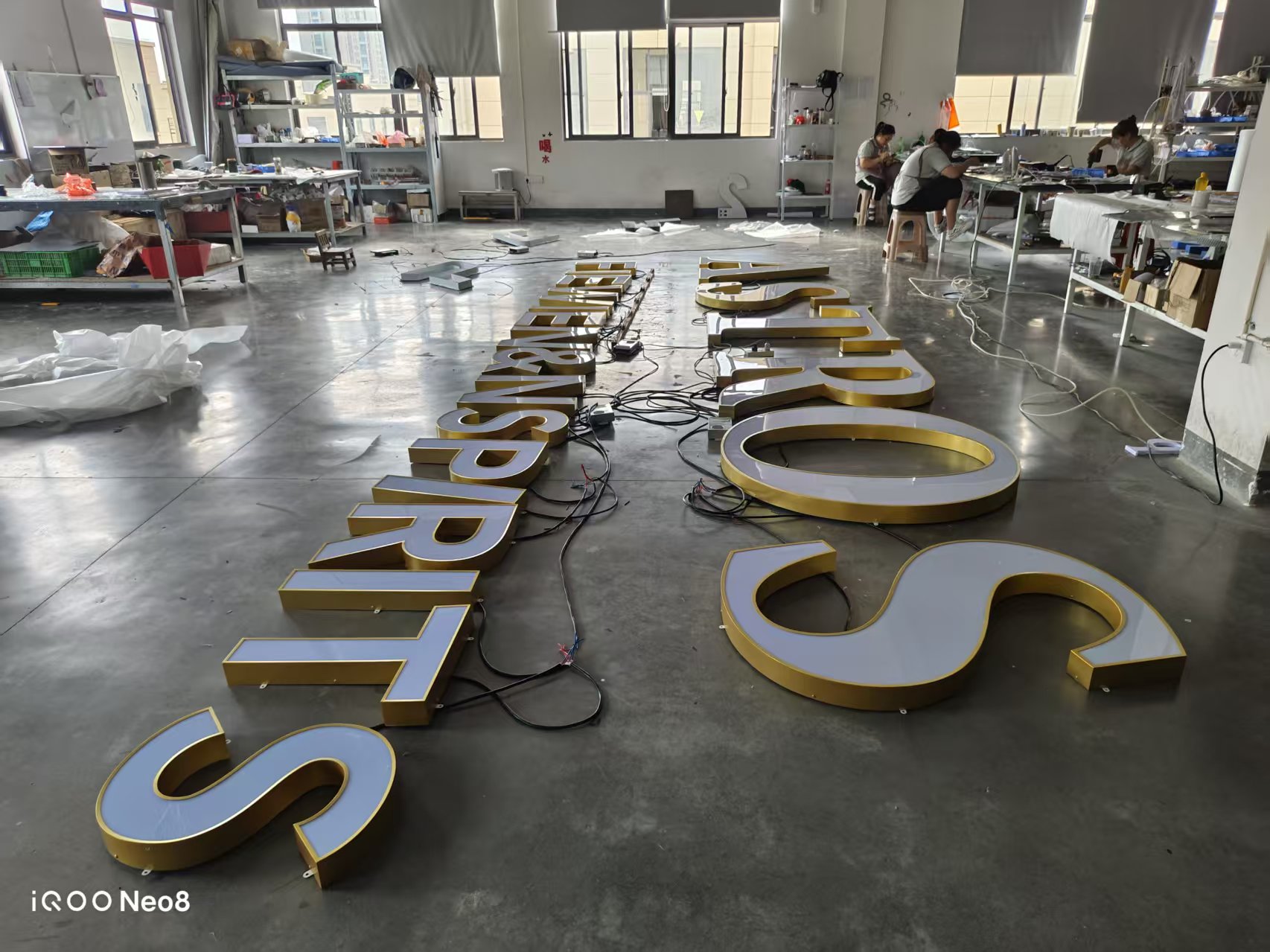
Treat scale as a document property
A PDF or screenshot may be resized for viewing or printing. Do not measure a displayed image and treat the result as a confirmed production dimension. Use labelled values and have any full-size positioning document identified by its intended use. A drawing for visual approval and an installation aid are different deliverables.
| File or record | Purpose to clarify |
|---|---|
| Appearance proof | Confirm the design and visual arrangement |
| Dimensioned artwork | Define the sizes under review |
| Site layout | Connect the sign to its intended position |
| Positioning aid | Provide the agreed local installation reference |
For replacement work, compare these records with the site survey. Existing dimensions may have been estimated from photographs; identify which have actually been verified.
Is an approximate size enough for a first enquiry?
It can start a discussion if clearly marked approximate. Ask what additional dimensions are needed before the offer or production scope is confirmed. Keep that distinction in the quotation so a budget discussion does not become an unreviewed manufacturing instruction.
What should the buyer send?
Provide the artwork issue, overall dimensions, important element sizes, units, quantity and destination. State which values remain provisional. Use the storefront product page to describe the sign type and request a quotation that names the dimensions used for review.
References & further reading
External manufacturer or carrier guidance supports the terminology and general considerations discussed here. Their product specifications and policies are specific to their own services.
Prepared as a purchasing discussion aid. Confirm the specification, installation responsibilities and applicable requirements for your project.